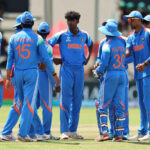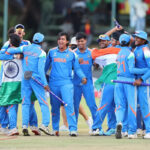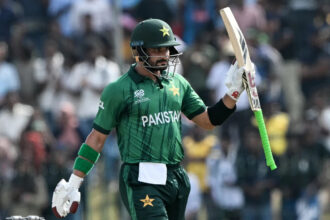

A fresh controversy has emerged just days before the ICC T20 World Cup, which is set to be jointly hosted by Sri Lanka and India. Pakistan has officially announced that they will not participate in the highly anticipated India–Pakistan match, one of the most watched fixtures in world cricket.
The match was scheduled to be played on February 15 at the R. Premadasa Stadium in Colombo. The Pakistan Cricket Board (PCB), following a decision by the Pakistani government, confirmed the team’s withdrawal from the encounter. Reports suggest that Pakistan intends this move as a gesture of support toward Bangladesh, which has already been eliminated from the tournament.
Major impact on Sri Lanka
This decision carries serious consequences for Sri Lanka. An India–Pakistan match typically draws massive global attention, with thousands of foreign fans traveling to the host nation. The fixture was expected to provide a significant boost to Sri Lanka’s tourism industry and economy.
According to local sources, a large number of hotel bookings made for that date are already being cancelled, raising concerns over financial losses for the hospitality sector.
A reminder of the past
The situation has also reopened old memories in Sri Lankan cricket circles. During difficult periods for Pakistan cricket — especially when other nations refused to tour the country due to security concerns — Sri Lanka was the only team that agreed to visit and play.
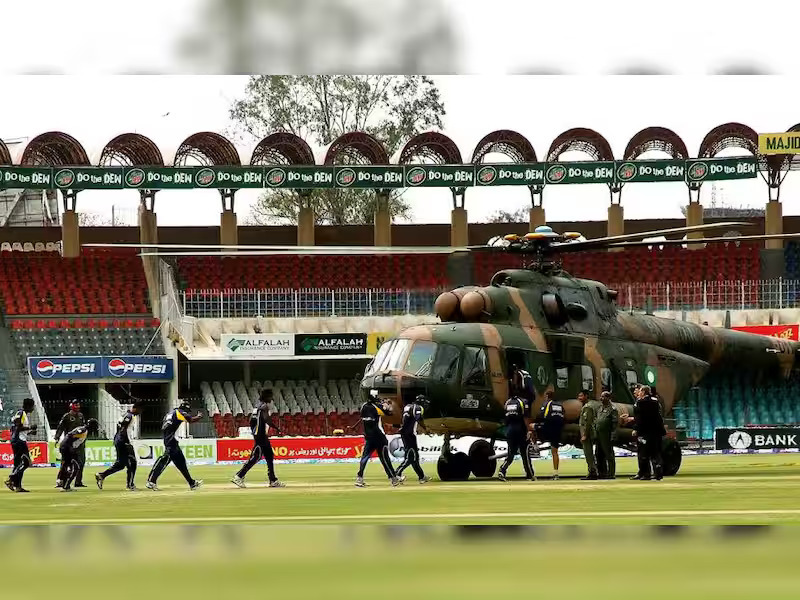
Even after the tragic 2009 Lahore terrorist attack targeting the Sri Lankan team bus, Sri Lanka was among the first nations to resume cricketing ties with Pakistan. That history of solidarity is now being highlighted, with many questioning whether Pakistan has overlooked Sri Lanka’s past support.
Sri Lanka Cricket (SLC) has reportedly sent a formal letter to the PCB, urging them to reconsider the decision. The letter is said to emphasize Sri Lanka’s willingness to stand by Pakistan during its most challenging times.
Cricket above politics?
Despite internal political complexities, many believe that playing such a high-profile match in Sri Lanka would have been a matter of honor for the host nation and for global cricket. There is growing sentiment that political disputes should not overshadow the spirit of the game.
As tensions rise, the episode underscores how cricket — especially in South Asia — remains deeply intertwined with diplomacy, history, and national sentiment.